What is OmniAmericanism?
The OmniAmerican tradition is our answer to the polarization crisis plaguing the Republic. Following Albert Murray, we understand the American identity not as the possession of any one race, class, or party, but as a composite achievement forged through the continual interaction of distinct yet interdependent communities. To know oneself as an American is to recognize that our stories, institutions, and ideologies have evolved through generations of conflict, cooperation, adaptation, and shared creation. America is neither an abstract proposition nor a battlefield of competing tribes. It is an evolving democratic ensemble whose successive generations have inherited, interrogated, and reinvented a shared civic culture.
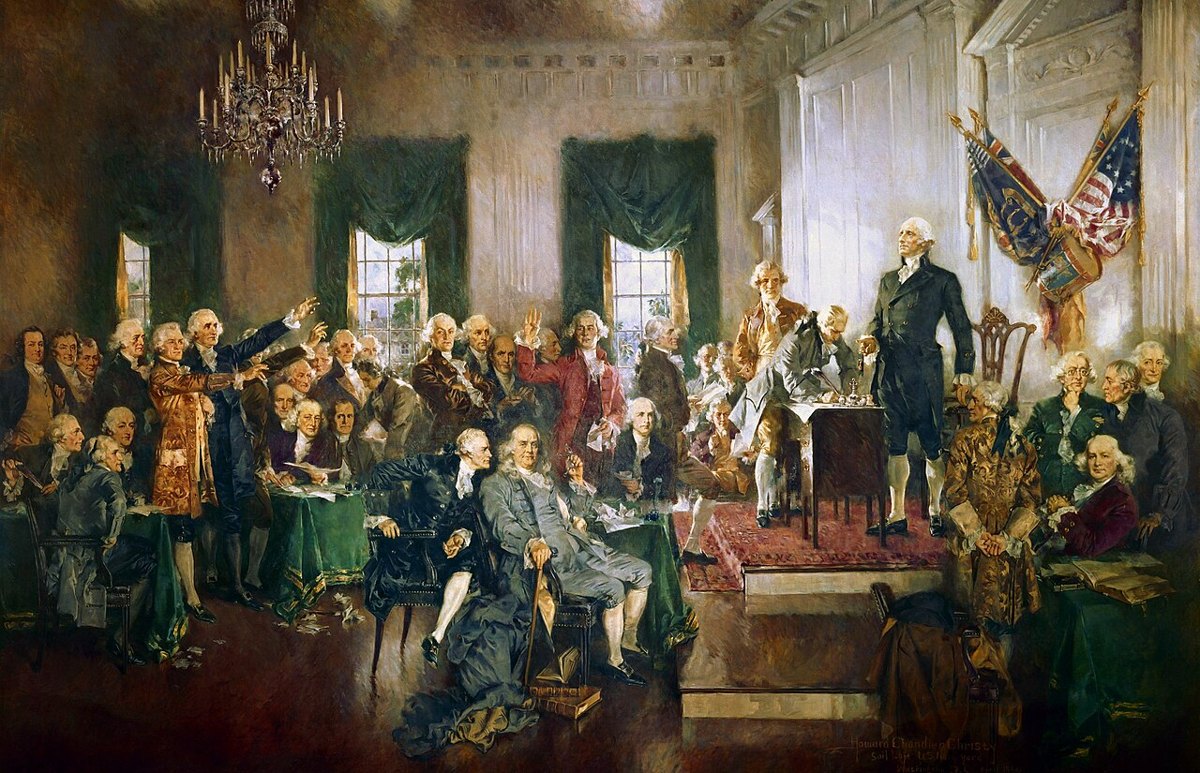
- When Lincoln said "a house divided against itself cannot stand." He was right. The resurgence of controversies surrounding citizenship, values, and heritage signals that no durable civic renewal can occur without the meaningful collaboration of conservatism, liberalism, progressivism, and the Black Freedom movement. Each of the nation's traditions bear shared responsibility for investing the American Order with moral purpose. It is by building across these traditions that we can recover the richest understanding of American nationhood.
- Passive movement towards civility is not our ask. To live by a mission is to develop it through its contradictions, not to flee from its opponents. To be a member of a republic is to earn one’s place in it, not merely impose one’s ideals upon those who compose it. As King said, "When people are voiceless, they will have temper tantrums like a child who has not been paid attention to". To not engage with those who differ is both to betray one's own mission and sabotage the ability for cooperation which powers democracy. We hold instead that it is a civic responsibility not just to accept differences, but to engage in them. The republic corrodes with every viewpoint held voiceless in the dialogue which shapes our nation.
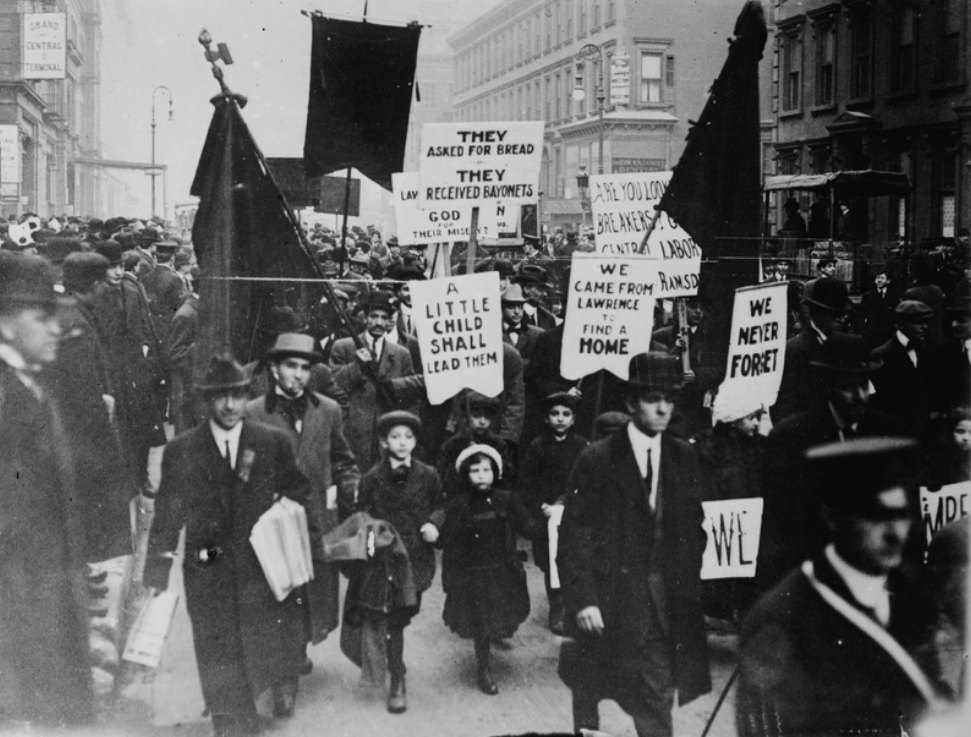
- The OmniAmerican Society seeks to build the narrative infrastructure through which Americans once again understand themselves as participants in a common national project. The dialogue which defines our nation must take input from individuals across class, race, religion, and ideology if it aims to access truth. Shared narratives do more than explain the past; they shape who we understand ourselves to be, what obligations we owe one another, and what future we believe we are capable of building together. Our purpose is therefore not merely to encourage dialogue, but to cultivate the solidarity, reciprocal responsibility, and civic trust that make democratic disagreement both creative and meaningful. We seek to transform public life from a clash of identities into a clash of ideas, so that citizens may argue vigorously over the nation’s future while remaining conscious of the obligations they owe one another as fellow Americans.
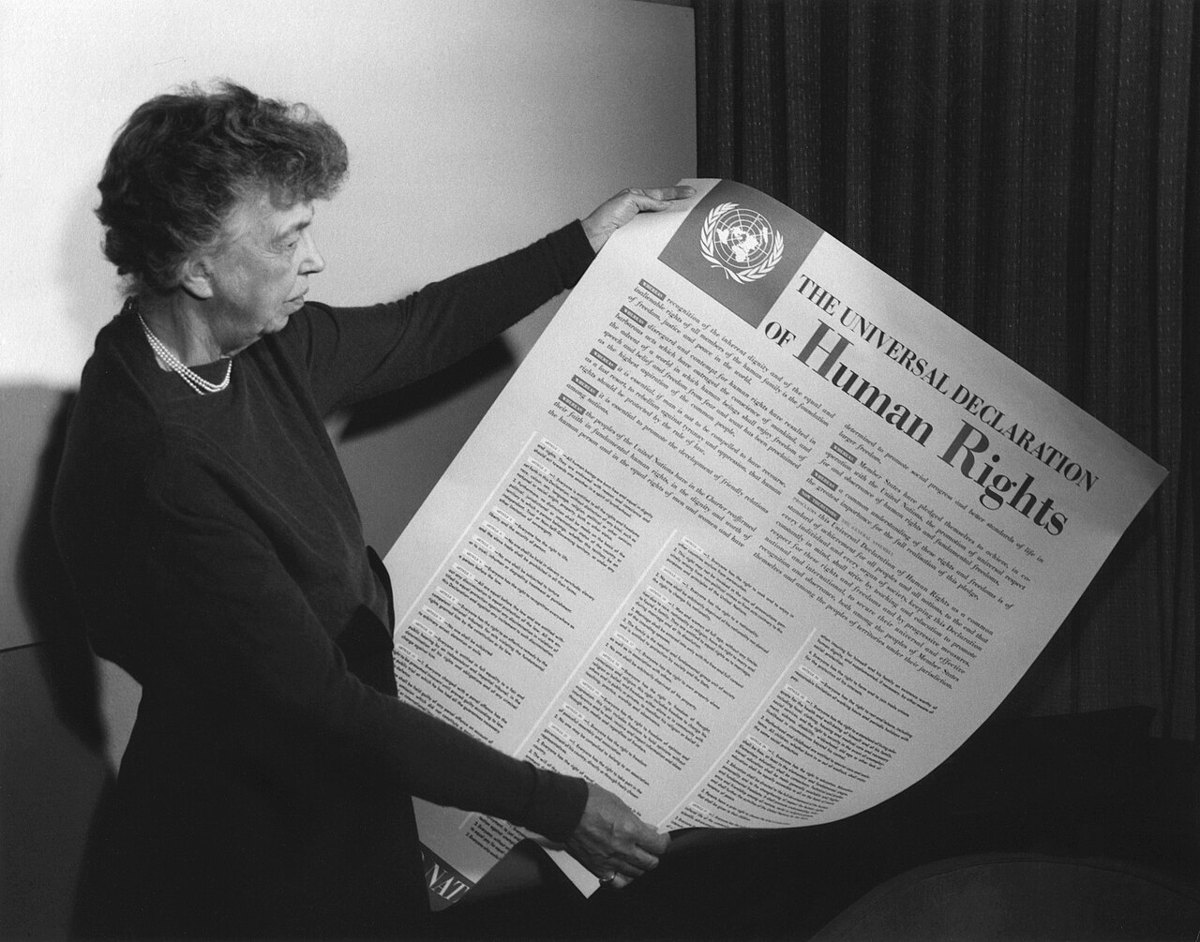
Unity forged through the mutual affirmation of our distinct identities.
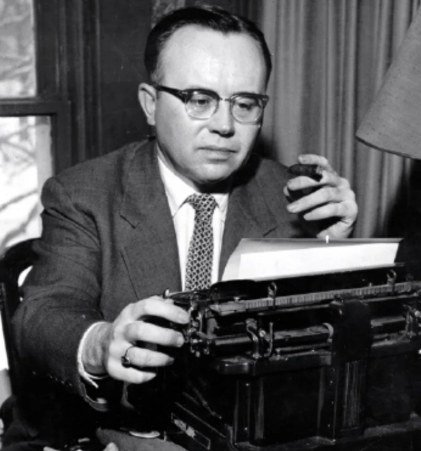
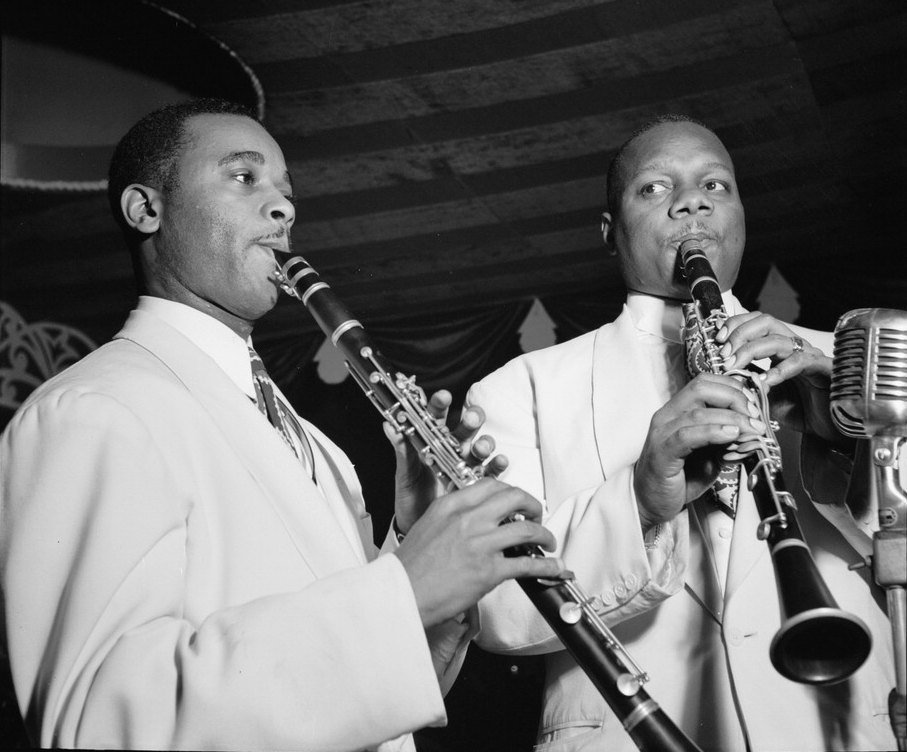
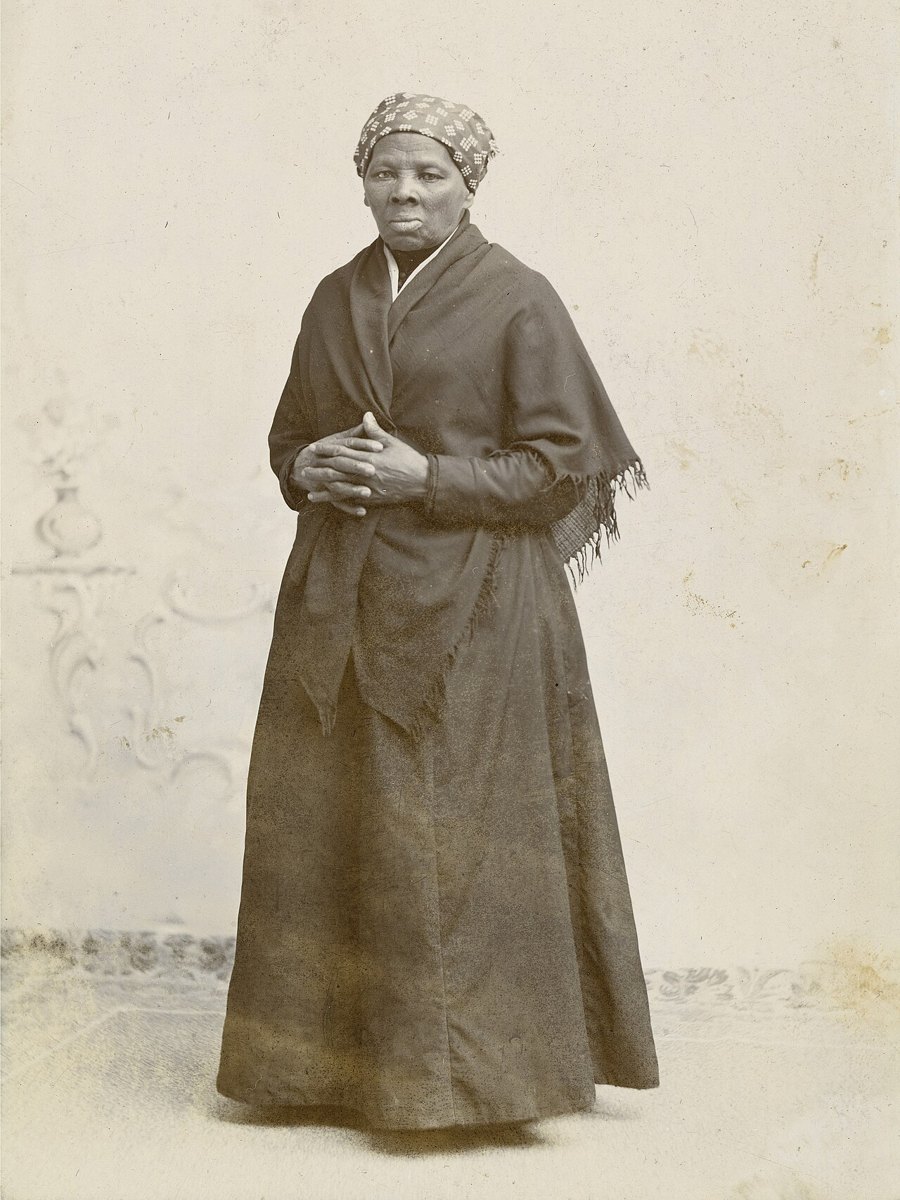
Photos: Scene at the Signing of the Constitution, Howard Chandler Christy, 1940: Architect of the Capitol, public domain · Russell Kirk: courtesy of the Russell Kirk Center · Hamilton and Carney, 1946: William P. Gottlieb, Library of Congress · Harriet Tubman, c. 1885: H. Seymour Squyer, National Portrait Gallery, public domain · Lawrence strikers, 1912: public domain, via Wikimedia Commons · Eleanor Roosevelt, 1949: FDR Presidential Library & Museum, CC BY 2.0
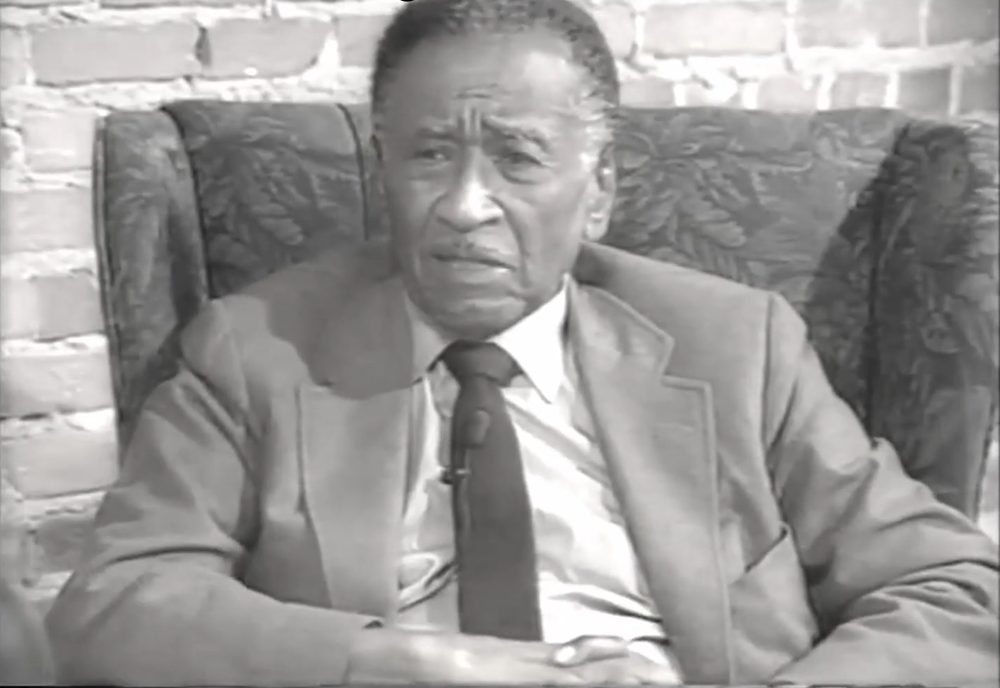
American culture, even in its most rigidly segregated precincts, is patently and irrevocably composite... Indeed, for all their traditional antagonisms and obvious differences, the so-called black and so-called white people of the United States resemble nobody else in the world so much as they resemble each other.
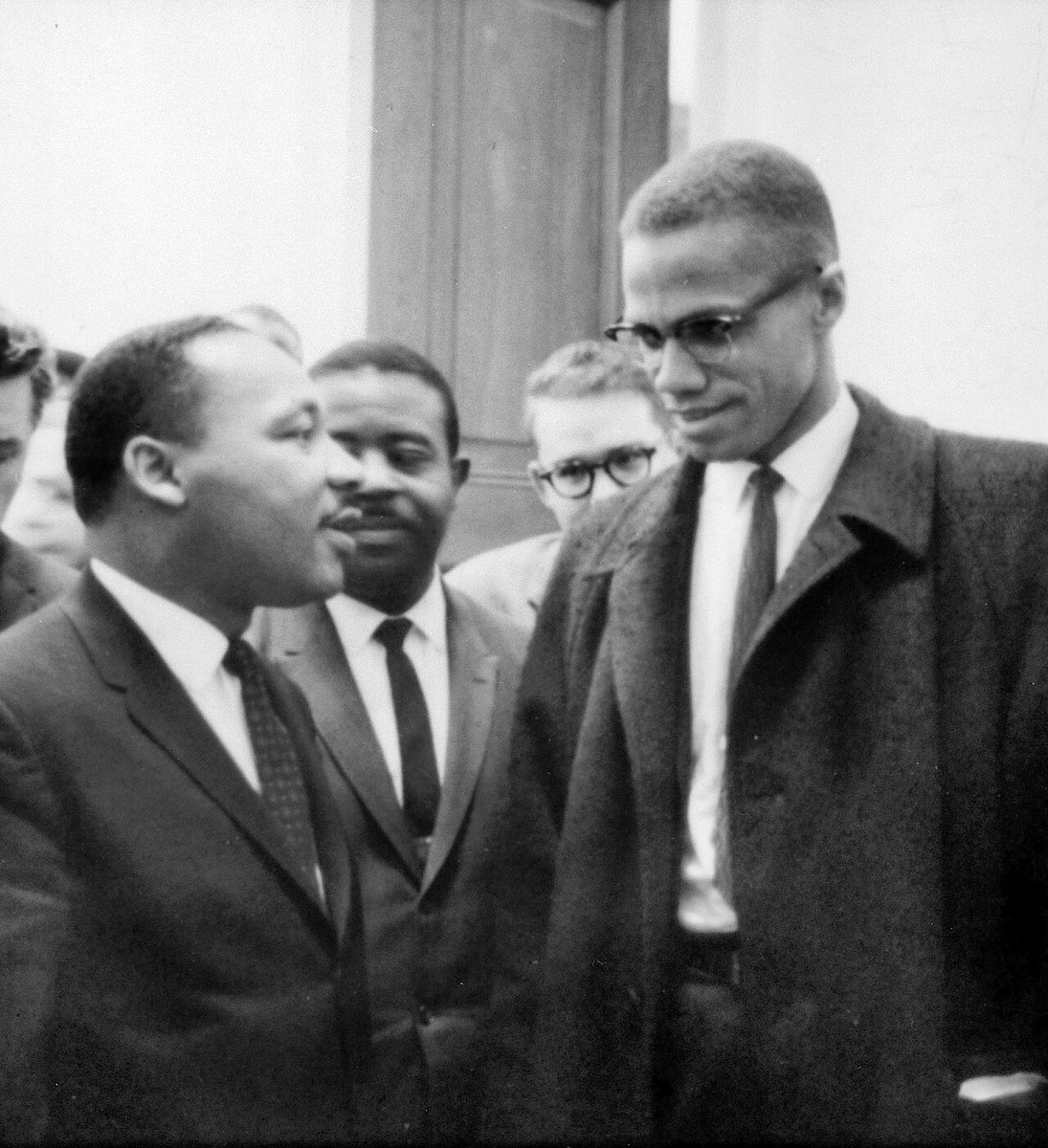
We must learn to live together as brothers or perish together as fools. Let us be those creative dissenters who will call our beloved nation to a higher destiny. To a new plateau of compassion, to a more noble expression of humanness.
The demands on and the respect for the individual in the jazz band put democracy into aesthetic action. Each performer must bring technical skill, imagination, and the ability to create coherent statements through improvised interplay with the rest of the musicians.
Photos: Albert Murray: courtesy of The Omni-American Project · King and Malcolm X, 1964: Marion S. Trikosko, U.S. News & World Report, Library of Congress